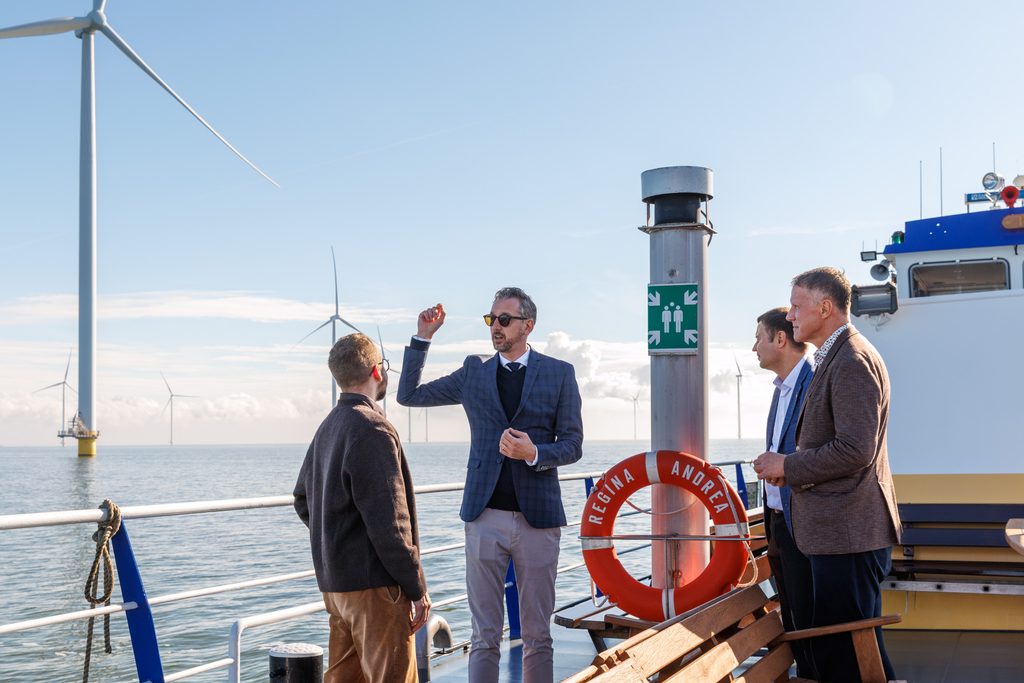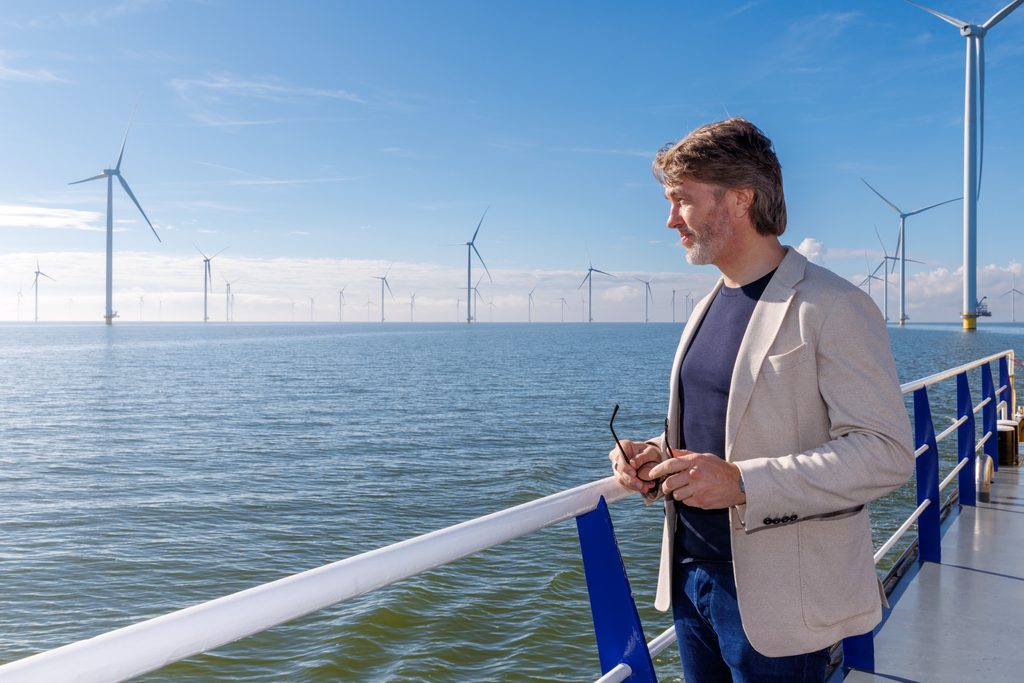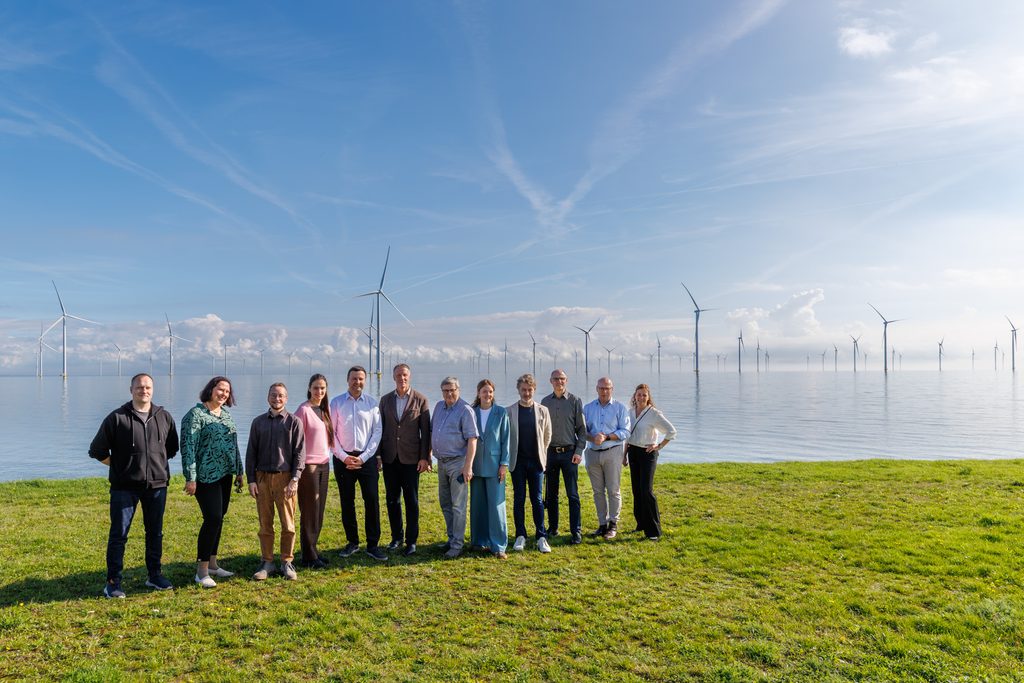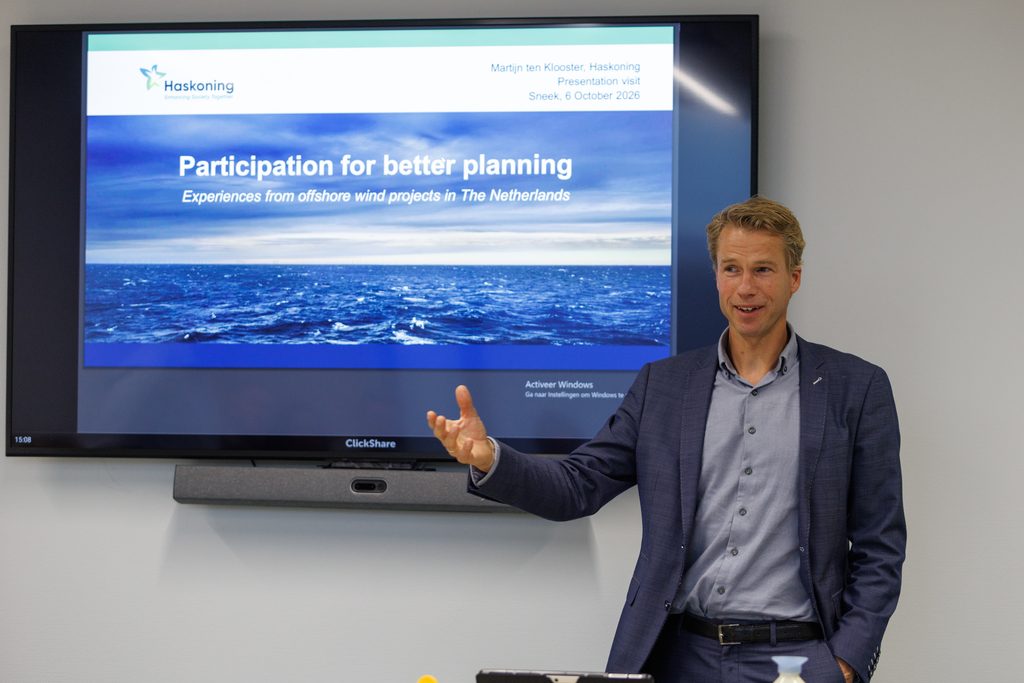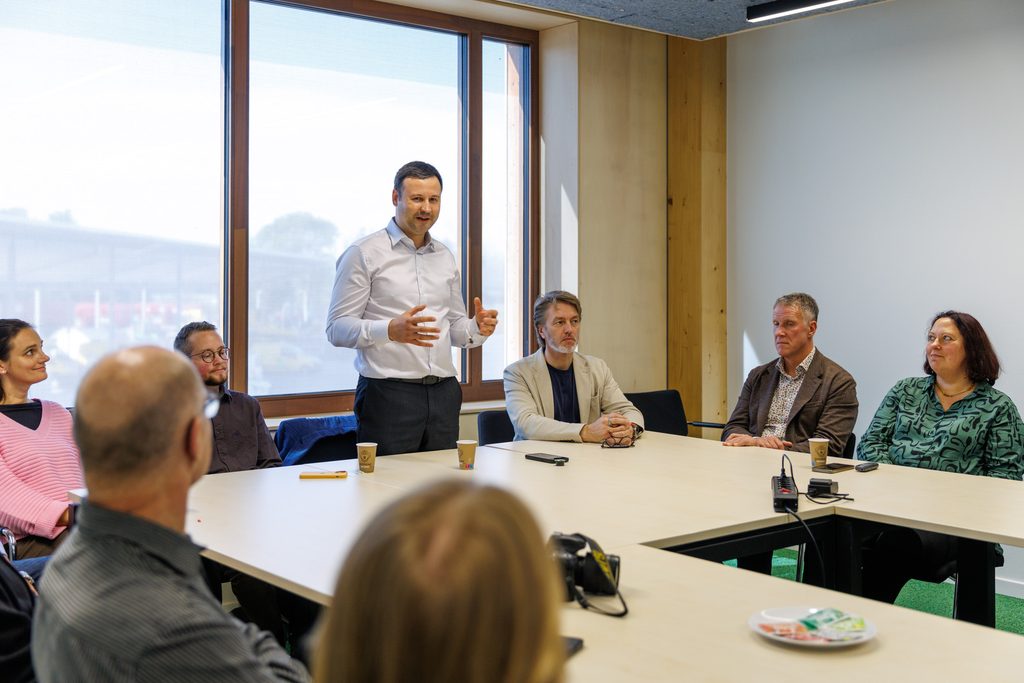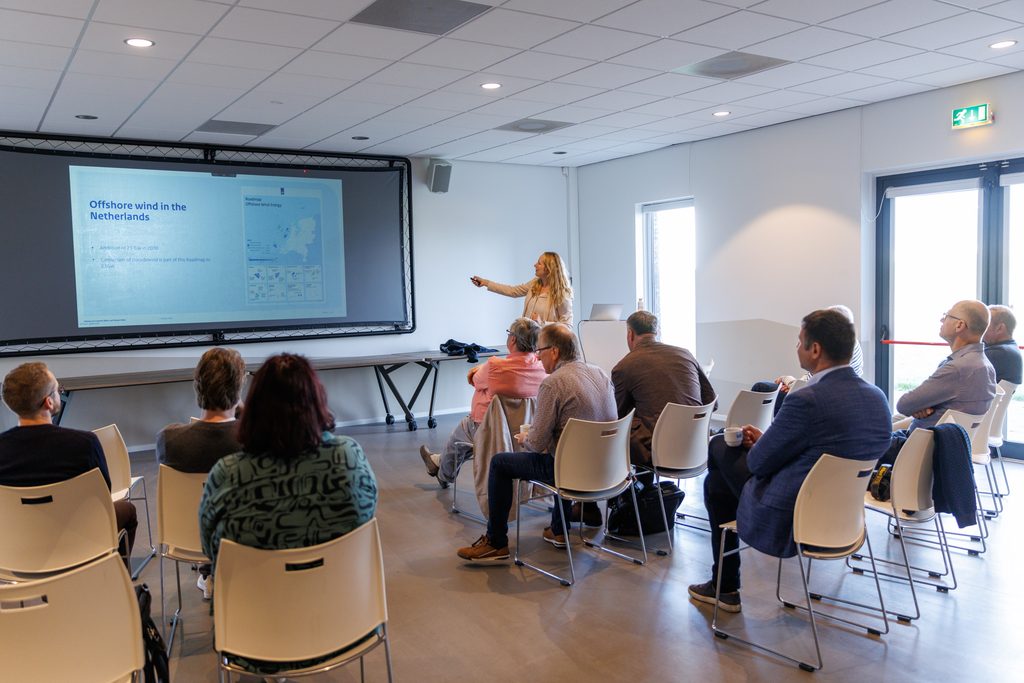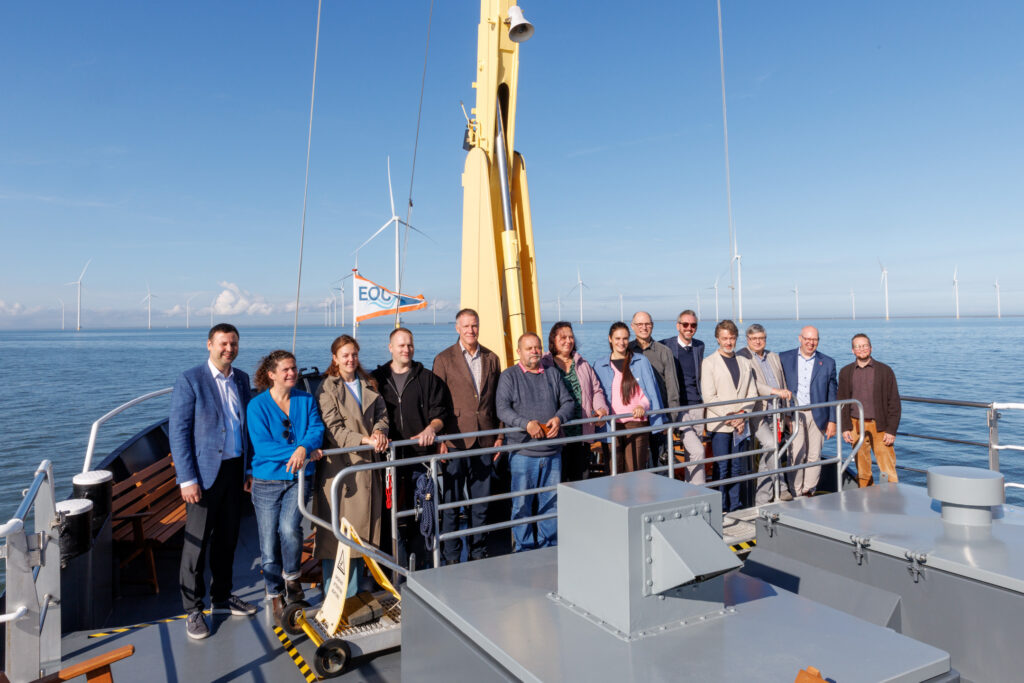
Developing offshore wind parks requires early engagement with local residents, tangible benefits for coastal communities, and local businesses that are ready to participate in the sector. These were the main takeaways gained by representatives of municipalities, planning regions, non-governmental organisations, fishermen and businesses from Kurzeme during a study visit to the Netherlands from 5 to 7 October.
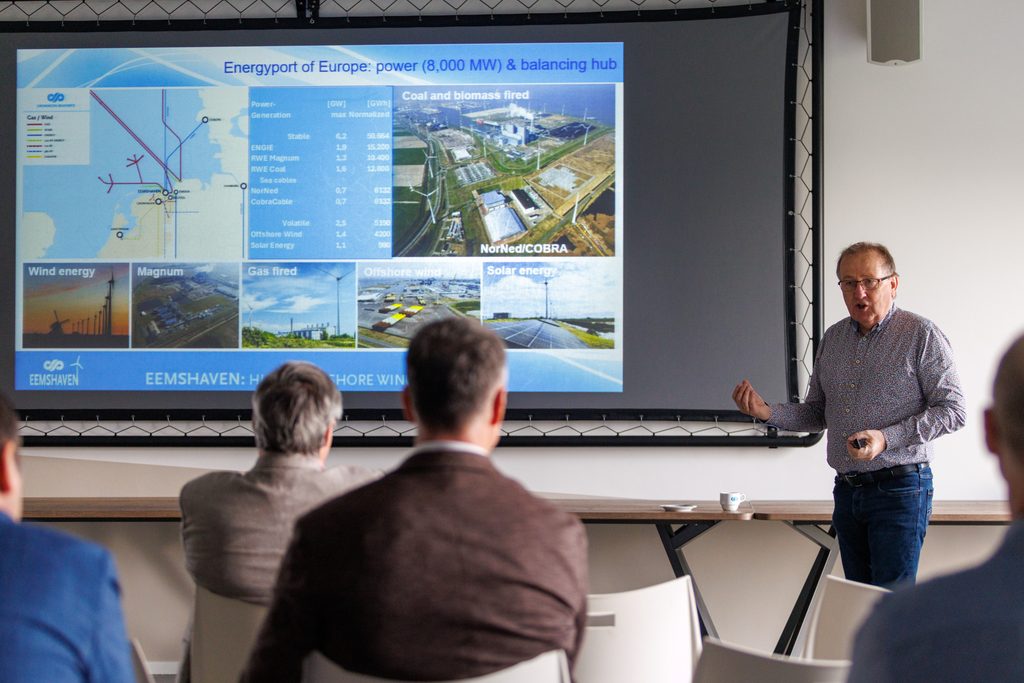
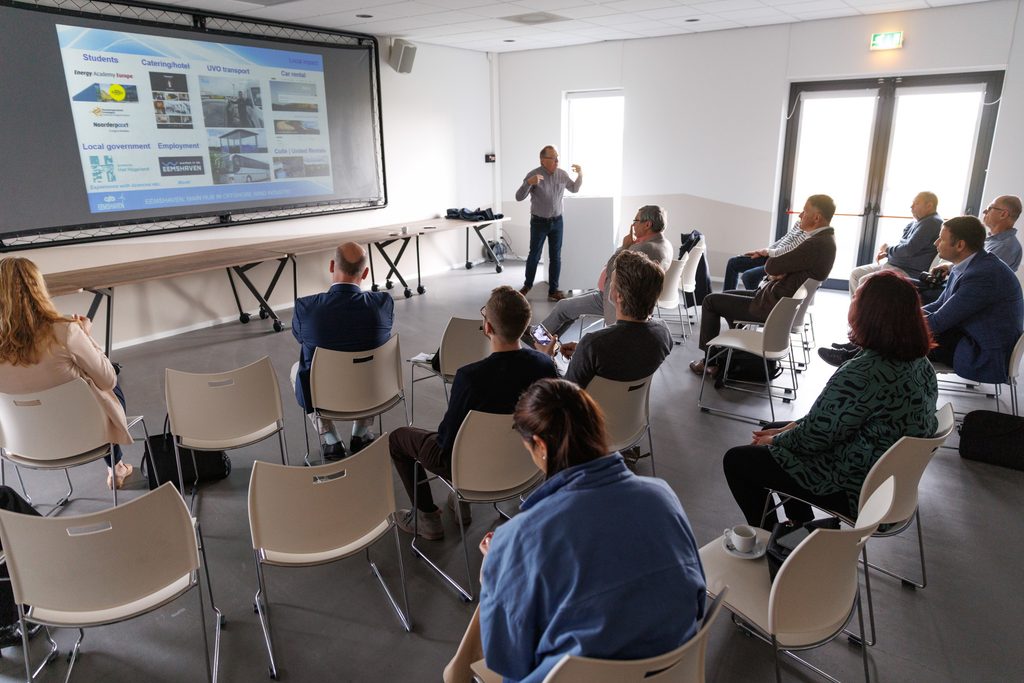
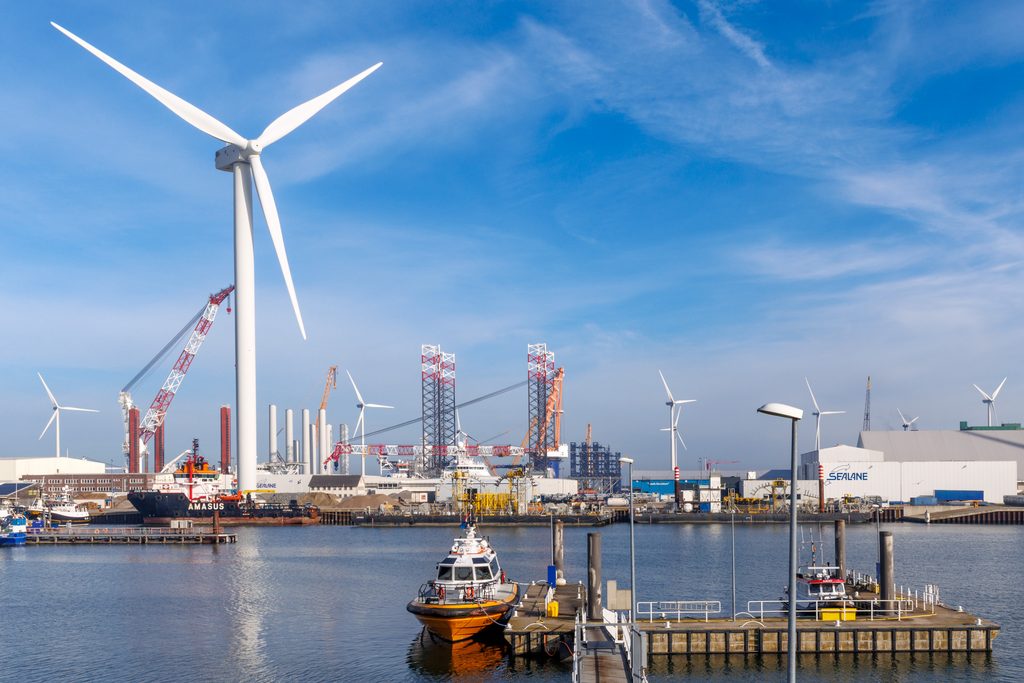
Participants visited Windpark Fryslân, the municipality of Súdwest-Fryslân, the Port of Eemshaven and TKF’s cable manufacturing facility, exploring the role of offshore wind in the coastal economy and community engagement. The visit was organised by the Investment and Development Agency of Latvia (LIAA) in cooperation with the Embassy of the Kingdom of the Netherlands in Latvia and Linked by Offshore Wind, a network of Dutch offshore wind companies and technology experts.
Jānis Ločmelis, Head of the ELWIND Project Division at LIAA, emphasises that offshore wind development can contribute to long-term growth in coastal regions.
“The significance of offshore wind energy to Latvia’s economy goes beyond electricity generation. It can support port development, create business opportunities for logistics and maintenance companies, and encourage the establishment of new manufacturing facilities. The Dutch experience shows that we need to prepare early to make the most of these opportunities – by identifying ways for local businesses to get involved and discussing the benefits that matter most to coastal communities. This is the approach we also want to take in the ELWIND project.”
Engaging communities and delivering local benefits
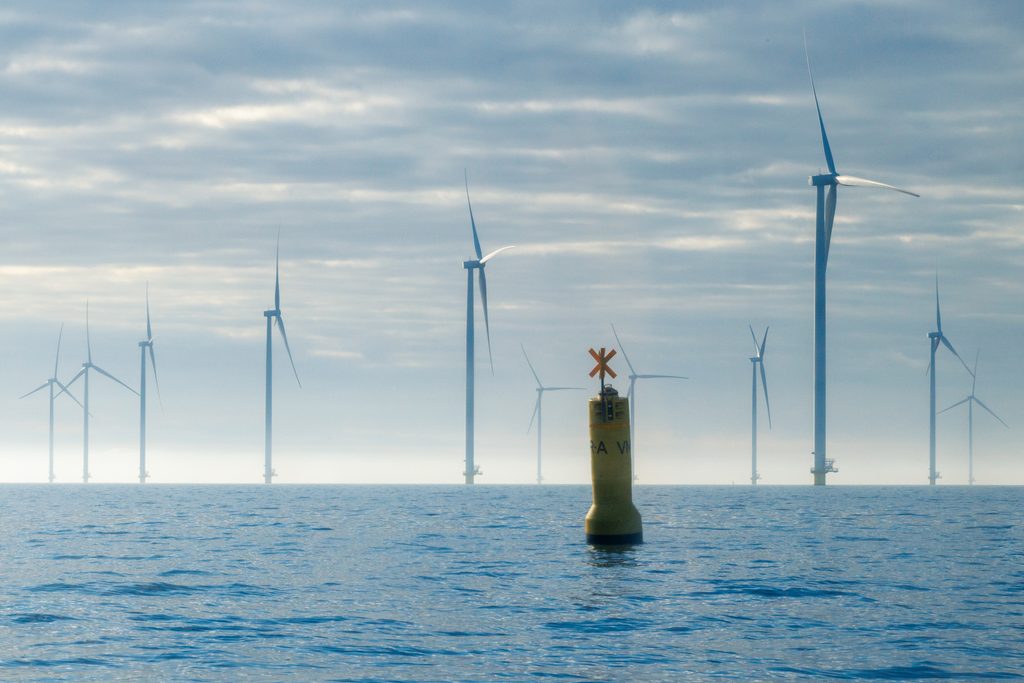
Windpark Fryslân is located in Lake IJsselmeer in the Dutch province of Friesland. Although its construction and operating conditions differ from those of the planned ELWIND project in the Baltic Sea, several of its solutions could also be relevant to Latvia. To reduce the visual impact, the turbines have been arranged in a compact hexagonal formation rather than a long line. Meanwhile, radar-controlled aviation warning lights activate only when an aircraft approaches and turns off afterward, reducing light disturbance for nearby residents.
Representatives of the municipality of Súdwest-Fryslân stressed the importance of involving local communities from the very beginning of a project, holding open discussions and working together to find acceptable solutions. Windpark Fryslân has also established a community fund that supports local initiatives in tourism, recreation, sport, cultural heritage preservation and nature conservation. For instance, funding has been allocated to the restoration of a historic shipyard, the construction of a beach volleyball court and energy-efficiency improvements at a local sports club.
Anete Jansone, project manager at the Kurzeme Planning Region, emphasises that Latvia needs to act early to balance local community interests with regional growth opportunities.
“From the perspective of Kurzeme’s development needs, the most important takeaway is finding balance between residents’ interests and regional progress. In the Netherlands, we observed how valuable a neutral facilitator can be in fostering open dialogue among the developer, local municipality, and community,” she adds.
Port benefits do not happen automatically
The Port of Eemshaven is one of the Netherlands’ leading energy ports and a major hub for servicing offshore wind parks in the North Sea region. Supporting wind parks has significantly expanded the port’s activities and created demand for a wide range of services, from logistics infrastructure, transport and equipment rental to catering, accommodation and various maintenance services.
“In Kurzeme, it is essential to ensure that the development of the offshore wind sector brings direct benefits to coastal residents as well. Wind park construction and subsequent operations can create jobs and demand for local services – from technical maintenance to accommodation and catering. For coastal towns, this is an opportunity to attract engineers and technical specialists and develop infrastructure,” says Anete Jansone.
In Latvia, these opportunities are particularly relevant to Liepāja, Ventspils and other coastal areas. Building and servicing offshore wind parks require ports, storage and assembly sites, vessels, cables, maintenance bases and skilled specialists. The more local businesses in Latvia can supply the required work, deliveries, and services, the greater the sector’s contribution to the regional economy will be.
Renewable power: a necessity for new manufacturing facilities
Producing green hydrogen and synthetic fuels requires substantial amounts of renewable electricity, making access to it a key consideration for attracting investment in these sectors. Jānis Kisiels, founder and board member of NorSAF, also took part in the study visit. The company plans to develop sustainable aviation fuel production in Liepāja.
“Electricity is needed for households, transport and heating, as well as for the operation of new manufacturing facilities. Our manufacturing vision at NorSAF demands substantial amounts of renewable power. Therefore, it is important for us to understand ELWIND’s development plans and how offshore wind energy could meet the needs of new manufacturing facilities in Latvia in the future,” notes Jānis Kisiels.
He adds that the establishment of new manufacturing facilities will increase demand for electricity and ensure long-term demand for power producers. This is equally critical for investors and lenders backing energy projects, as they must evaluate whether a stable customer base exists for the electricity generated.
Adapting Dutch experience to Latvian conditions
The insights gained in the Netherlands highlight the key tasks ahead for Latvia: engaging local residents, securing community benefits, preparing ports and businesses to work in the sector, and communicating the results of the environmental impact assessment. This work must begin early to align energy development goals with the interests of coastal residents.
“Windpark Fryslân is located in a lake, whereas ELWIND is planned in the Baltic Sea, where different natural and technical conditions affect wind park construction and operation. The solutions observed in the Netherlands must be evaluated taking into account Latvia’s coastal environment, environmental study results, and the needs of local communities,” emphasizes Jānis Ločmelis.
Photographs from the visit are available in the LIAA photo gallery.
About the ELWIND project
ELWIND is a cross-border offshore wind project between Latvia and Estonia in the Baltic Sea, with a combined planned capacity of up to 2 GW. It aims to strengthen regional energy security and support the transition to renewable energy. During the current pre-development phase, environmental and technical studies are being carried out to prepare the sites for further development. An auction to transfer development rights to a qualified developer is planned for 2029. The selected developer will be responsible for subsequent design, construction and operation. The indicative target for the wind park to begin operation is 2035.
The ELWIND project is implemented by the Investment and Development Agency of Latvia and the Estonian Environmental Investment Centre in cooperation with the Ministry of Economics of the Republic of Latvia and the Ministry of Climate of the Republic of Estonia.